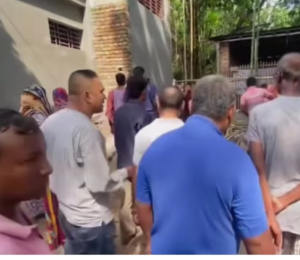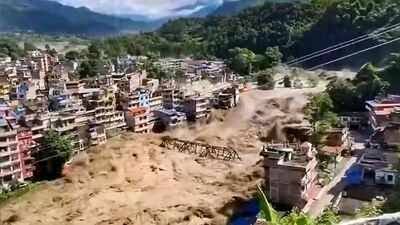
On August 26, a flash flood swept through the Bhote Koshi River in Nepal’s border district of Rasuwa. The world is stunned by this horrific disaster and destruction in Nepal and the countless lives lost. On behalf of the Bureau of Human Rights and Justice, we express our sympathy to the government and people of Nepal, our deepest respects for the souls of those who lost their lives, and our heartfelt condolences to their bereaved families. The death toll from the landslides in Nepal continues to rise. The number of bodies recovered has increased further, and the number of missing people is also growing. According to figures provided by the Nepalese government, a total of 1,259 bodies had been recovered as of 7 p.m. on Thursday. Of those, only 95 have been identified and handed over to their families. The number of missing is 5,083.
1,2038 people have been rescued alive from the disaster sites in Nepal. More than 5,000 people are being treated in various hospitals and health centers. Over 21,000 security personnel are engaged in rescue operations. Multiple relief camps have been set up across the districts. There are a total of 3,844 such camps throughout the country. Bridges and towers are being rebuilt to re-establish communication with areas cut off by the disaster.
On August 26, a flash flood occurred in the Bhote Koshi River in Nepal’s border district of Rasuwa. The powerful current of mud, rocks, and icy water swept away settlements in the low-lying areas. Many tourists from India have also been missing since the incident. The Nepal government initially rejected foreign aid for the rescue operation. Later, under international pressure, it relented and allowed several countries, including India, to join the rescue efforts.
It has been reported that the glacier in the Himalayas that broke off and caused this disaster in Nepal had already been predicted to collapse. However, the country’s ‘Disaster Warning’ system failed to issue the disaster alert in time. Nepal’s news outlet, the Kathmandu Post, reported that a portion of the glacier collapsed in the Lende Valley of Rasuwa at 8:37 AM on the 26th. A powerful mudflow then rushed toward the local area. However, the warning reached people at around 9:15 AM, nearly 38 minutes later. The Department of Mines and Geology did sense the earthquake. However, they found it had nothing in common with a typical quake. It was not realized that the tremor was caused by the glacier collapse.
*surce : Anandabazar patrika